
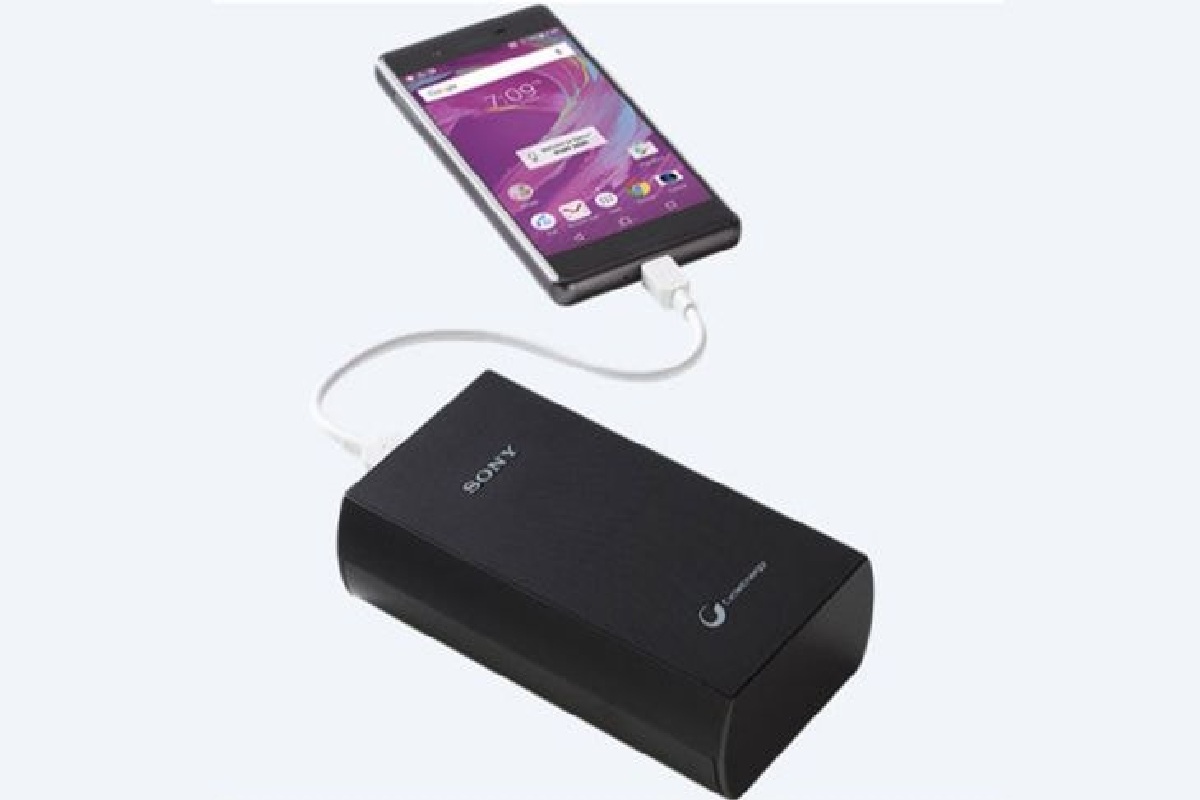
Let’s be honest-nothing triggers mild panic faster than watching your phone battery dip into single digits when you’re nowhere near a socket. Whether you’re commuting, traveling, working remotely, or just doom-scrolling late at night, portable charging has gone from “nice to have” to absolute essential. But with hundreds of options out there, choosing the right power bank can feel surprisingly complicated.
That’s exactly why this guide exists. If you’ve ever wondered how much capacity you really need, which ports actually matter, or what features are worth paying extra for, you’re in the right place. We’ll break everything down in a simple, human way-no confusing jargon, no salesy fluff-just practical advice you can actually use.
In today’s always-connected lifestyle, a power bank isn’t just an accessory; it’s backup energy for your digital life. From smartphones and wireless earbuds to tablets and even laptops, the right portable charger can keep everything running smoothly. But not all models are created equal, and choosing blindly can lead to slow charging, bulky designs, or wasted money.
Before you hit “buy,” it’s also important to think about the accessories you use daily-especially your charging cable. A high-quality usb c cable paired with the right charger can significantly improve charging speed, compatibility, and overall convenience. Together, these two elements form the foundation of a reliable on-the-go charging setup.
Table of Contents
Understanding Power Bank Capacity (mAh Explained Simply)
Capacity is usually the first thing people notice, and for good reason. Measured in milliampere-hours (mAh), it tells you how much energy the device can store.
Here’s a quick way to think about it:
- 5,000–10,000 mAh: Enough for 1–2 smartphone charges. Ideal for daily commutes or short trips.
- 10,000–20,000 mAh: Great balance between portability and power. Can charge a phone multiple times.
- 20,000 mAh and above: Best for travelers, professionals, or anyone carrying multiple devices.
However, don’t expect a 10,000 mAh unit to deliver exactly that amount to your phone. Energy loss during conversion is normal, so usable output is typically 60–70% of the advertised capacity.
Ports Matter More Than You Think
One of the most overlooked aspects of buying a portable charger is the number and type of ports. It’s not just about plugging in-it’s about flexibility.
Common Port Types You’ll See
- USB-A: The classic rectangular port. Still common, but slower by modern standards.
- USB-C: Faster, reversible, and now widely adopted across devices.
- Micro-USB: Mostly outdated and best avoided unless you’re on a tight budget.
If you charge more than one device at a time, look for multiple output ports. Some models allow simultaneous fast charging, while others split power and slow everything down-so check the specs carefully.
Fast Charging: What Actually Makes a Difference?
Fast charging isn’t just a buzzword; it can save you serious time. But it only works when three things align: the charger, the device, and the cable.
Popular fast-charging technologies include:
- Quick Charge (QC) for many Android devices
- Power Delivery (PD), often used with USB-C ports
- Adaptive Fast Charging, which adjusts output based on device needs
A charger may advertise fast charging, but without compatible devices and cables, you won’t see the benefit. This is where pairing the right cable with the right output really pays off.
Size, Weight & Portability
Bigger capacity usually means more weight. If you plan to carry your charger daily, comfort matters.
Ask yourself:
- Will this live in my pocket, backpack, or luggage?
- Do I value slim design over extra charges?
- Am I okay with a heavier device if it powers multiple gadgets?
Ultra-slim chargers are great for everyday use, while bulkier options make sense for travel or emergencies.
Smart Safety Features You Shouldn’t Ignore
A good portable charger protects both itself and your devices. Look for built-in safety features such as:
- Over-charge and over-discharge protection
- Short-circuit prevention
- Temperature control
- Surge protection
These features aren’t flashy, but they’re critical for long-term reliability and device safety.
Extra Features That Can Be Surprisingly Useful
Some features may seem optional until you actually use them:
- LED battery indicators: Lets you know exactly how much power remains
- Pass-through charging: Charge the power bank and your device at the same time
- Wireless charging: Convenient for compatible phones, though slightly slower
- Rugged or waterproof design: Great for outdoor or travel use
Decide what fits your lifestyle rather than paying for features you’ll never use.
Compatibility with Your Devices
Not every charger works equally well with every device. Smartphones, tablets, earbuds, smartwatches, and laptops all have different power requirements.
If you use newer devices that support USB-C input, choosing a charger that supports modern charging standards ensures better speed and efficiency. Also, make sure the output wattage matches what your device can safely handle.
Charging Speed vs. Battery Health
Faster isn’t always better-at least not constantly. While modern devices manage power efficiently, frequent high-speed charging can generate more heat.
A quality charger balances speed and safety by adjusting output dynamically. This ensures efficient charging without unnecessary stress on your device’s battery.
Travel Rules & Airline Safety
If you fly often, capacity limits matter. Most airlines allow portable chargers up to 100Wh in carry-on luggage only. Larger ones may need special approval or be restricted entirely.
Always check the watt-hour rating, not just mAh, especially for high-capacity models.
Price vs. Value: What Should You Spend?
Price often reflects build quality, safety features, and charging technology-not just capacity. Extremely cheap options may cut corners on protection or performance.
Instead of chasing the lowest price, look for:
- Verified safety certifications
- Reliable brand reputation
- Clear output specifications
A slightly higher upfront cost can save you frustration (and device damage) later.
Final Thoughts: Choosing What Actually Fits Your Life
The best portable charger isn’t the biggest or the most expensive-it’s the one that matches how you use your devices. Think about your daily routine, the number of gadgets you carry, and how fast you need them charged.
When you combine the right capacity, the right ports, and thoughtful features, portable charging becomes effortless rather than stressful. Take your time, read the specs, and choose smart-your future low-battery self will thank you.