
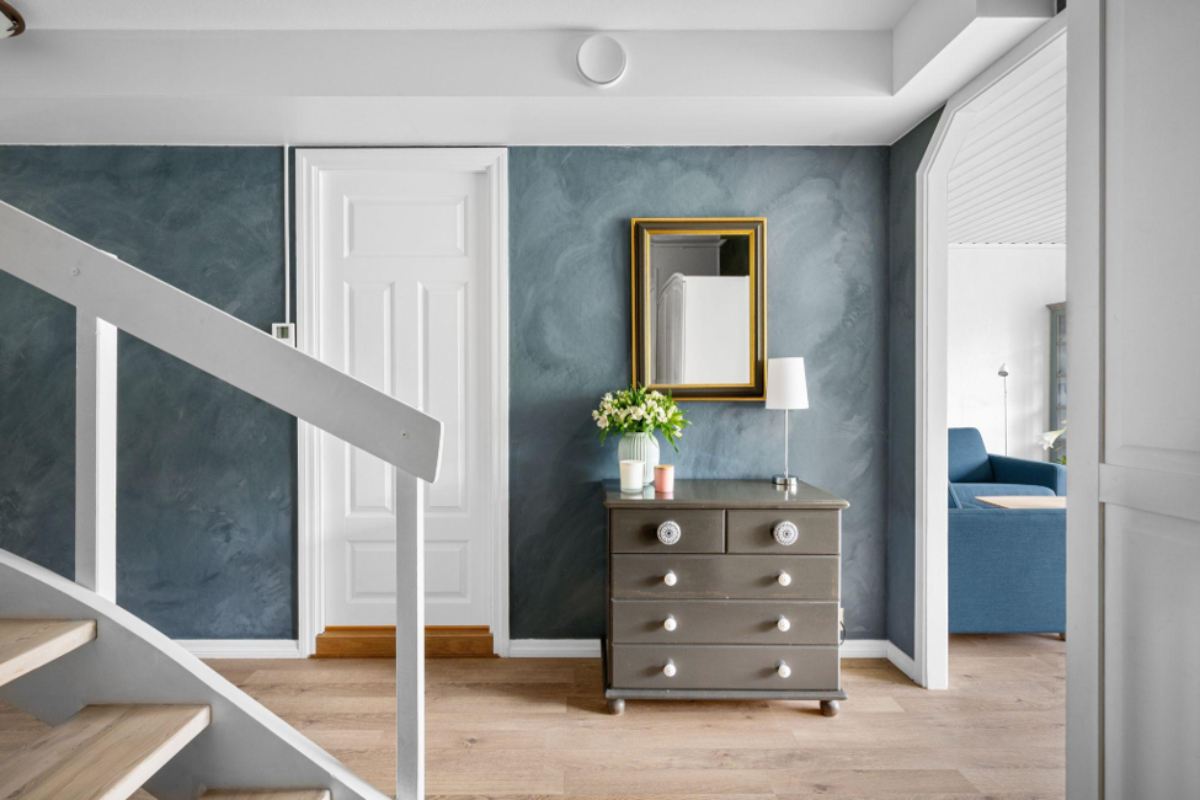
Interior design is not just about choosing attractive furniture or paint colours. The doors, wall finishes, and architectural details throughout a home also influence how each room looks and feels. When these elements complement one another, even a simple interior can feel more organized and thoughtfully designed.
For homeowners, interior designers, and property developers, selecting doors and wall panels together can help create a consistent style without making every room look identical. The key is to consider materials, colours, proportions, durability, and installation requirements before making a final decision. These details become particularly important when sourcing products for a renovation or a larger residential project.
Table of Contents
Start With a Consistent Interior Design Plan
Before considering specific products, you should consider what style you want to achieve.
Modern interiors are usually sleek, with muted colours and minimal design. Traditional properties will often benefit from using wooden textures, ornate mouldings, and eye-popping doors. Consider a general style to help choose complementary designs.
You should also think about how the rooms connect to each other. You do not have to match your bedroom door to your living room, but you can look for similar colours, textures or hardware. This will create a cohesive look throughout your home.
Choose Interior Doors for Appearance and Function
Interior doors affect privacy, sound separation, circulation, and the overall appearance of a room. Solid or engineered constructions may be suitable for different requirements, depending on the product specifications and budget. Buyers should also consider door dimensions, frame compatibility, hinge quality, surface finishes, and how frequently the door will be used.
For homeowners comparing styles and configurations, OPPEIN offers a starting point for exploring interior door options. The most suitable choice will depend on the project’s design, practical requirements, and available space. Before ordering, confirm the opening measurements, finish, hardware, and installation details to avoid costly adjustments later.
Use Wall Panels to Add Texture and Depth
Wall panels can give your home texture, interest and organisation. Depending on the design you choose, you can create a statement wall behind your bed, surround your TV area, create a focal point at your entryway, and add a beautiful finish to your living area. You can also use vertical patterns to create a more open feeling, or horizontal to emphasise the width of the room.
When purchasing wall panels you should consider the material. Compare the panel base, finishes, thickness and how easy it will be to clean. You should also consider if they will be exposed to moisture, sunlight or regular touch. Always check the manufacturers guidelines to ensure you know how to install and maintain them.
Match Materials, Colours, and Proportions
Your doors and wall panels don’t have to be made from the same materials. If you have chosen a plain door, you could pair with a textured statement wall. Or if you choose a wooden effect door this would compliment panels with a similar base. Choose a balanced mix.
Ensure your panels are the right size. If you have chosen large ornate panels this could overpower a small room. Slim panels with muted colours may be more appropriate. Before committing to a whole project, check out physical samples to see how they look in your property. The lighting can really affect how your finish looks, especially natural light and warm lighting.
What to Check When Sourcing Wall Panels From China
China offers a wide range of interior finishing products, but buyers should compare manufacturers based on more than price. Material specifications, production consistency, customization options, export experience, packaging, and quality inspection procedures can all influence the final result. Requesting samples and written product details helps establish a clearer basis for comparison.
Researching suppliers of wall panels from China can help buyers understand the factors involved in evaluating manufacturers. For larger orders, confirm minimum quantities, production lead times, shipping arrangements, and the process for handling damaged or incorrect items. It is also worth checking whether matching finishes can be supplied later if additional panels are needed.
Plan Installation Before Placing the Order
Even if you choose high quality doors and panels you may be disappointed if you haven’t considered the measurements. You should consider door openings, uneven walls, skirting boards, sockets and adjoining surfaces. Planning ahead will ensure your finishes match and you won’t have any gaps or uneven areas.
When furnishing multiple rooms or developing a property, ensure you know when your items will be delivered and installed. Ensure you know who will be measuring, preparing, fitting and checking the items. Having a specification will help everyone know what you need. This should include size, finishes, amount and installation details.
Create an Interior That Works as a Whole
Choosing doors and wall panels together can make a home feel more cohesive while allowing individual rooms to retain their own identity. Careful attention to materials, colours, proportions, and practical requirements helps ensure that the finished interior is both attractive and functional.
Whether sourcing locally or internationally, buyers should compare specifications, inspect samples, and confirm installation arrangements before committing to an order. A well-planned combination of doors and wall finishes can provide a consistent foundation for the rest of the interior design and remain appealing long after current trends change.