
Managing a large number of rental properties involved working with a large number of keys that could be physically lost, frequently changing locks between tenants and coordinating the delivery of keys to new tenants. Modern property managers and real estate investors face both an operational bottleneck in terms of key management and security risk from the use of physical keys.
Translating a portfolio of rentals from a decentralized system utilizing physical keys to a centralized smart lock system converts key management into a digital process. The process permits the operator to digitally assign, remove and track access to individual properties. By incorporating enterprise-level access controls into a residential or commercial portfolio, the process of operating a rental portfolio is made more efficient for all parties, increases the safety of tenants and ultimately can increase the value of the assets being managed.
Table of Contents
The Infrastructure of Centralized Access Control
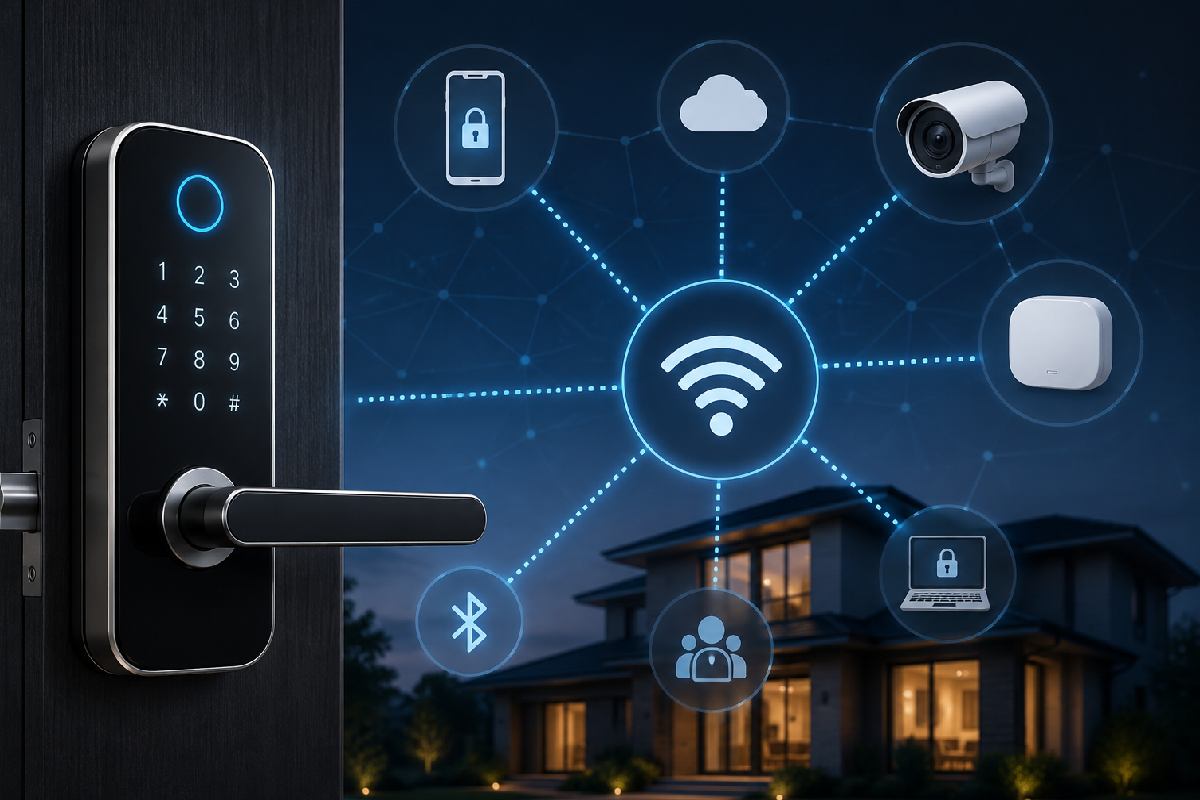
Smart locks need to be more than just consumer grade Bluetooth locks in order to build an expandable portfolio of smart locks. To create such a portfolio, it is necessary to have a well-developed, three tier architecture consisting of smart locks that serve as commercial locks; network bridges connected directly to each property’s internet router; and a central manager that manages all of the other two tiers.
At the property level, the combination of hardiness and connectivity needed from the hardware should be weighed. With individual Wi-Fi enabled locks being easy to install individually, Wi-Fi enabled locks quickly drain their battery life and also cause a high amount of usage on local routers’ bandwidth.
Smart locks utilizing low energy mesh protocols (such as Z-Wave or ZigBee) are used by enterprises to eliminate these issues. The smart locks then transmit access information to a network gateway or bridge which is typically plugged into the property’s internet router. The network gateway does all of the heavy lifting and transmits access information to the cloud using either Wi-Fi or a cell back-up module.
The software part of the system provides a single, web based dashboard view for viewing all properties at once. Managers are able to use this dashboard to generate unique, time-limited access codes for new tenants, contractors, etc. The software also generates a permanent electronic record showing when and what code was used to enter each unit in the portfolio.
Construction and Renovation Oversight
Implementing this technology provides unique benefits throughout the property acquisition process as well as the construction stages. Experts in real estate investments emphasize how implementing digital access controls changes day-to-day activities for tenants even prior to signing leases.
Keith Sant, founder and CEO of Kind House Buyers, emphasizes the structural value this technology introduces during the renovation stage:
“The most significant logistical challenge to managing vendors accessing your rental properties (or flipping houses) is tracking those vendors. Utilizing a central smart lock system totally changes things. There are no longer hidden key boxes which create an easily identifiable security risk; you can provide different codes to electricians, drywallers and painters etc. Additionally, utilizing the digital audit trail will show who was at the site, what time they showed up, and how many hours they were there. All of these factors assist with keeping your project(s) on schedule while reducing the amount of materials stolen during the renovation phase.”
By beginning the use of digital access early in the property’s life cycle, investors are able to protect their renovation capital and maintain a consistent history of property access since day one.
Operational Efficiency and Tenant Acquisition
The greatest advantage of smart locks after a renovation is the cost savings associated with lowering the costs of managing your property. In traditional turn cycles you have to physically remove and replace the locks on every unit (and possibly at common areas) to ensure that each new resident has a current working lock for security purposes. A smart lock system will completely eliminate the time consuming, and expensive, process of changing all of the locks.
Additionally, using smart locks will also eliminate the problem of coordinating contractors. With smart locks you are able to allow service technicians, such as plumbers or hvac technicians, instant access to your units without having to physically meet them. The result is less money spent waiting for vendors to arrive; fewer man-hours wasted by your staff driving around town letting people in; and reduced miles driven by your staff.
As many of our readers know, there are many great things about owning rental properties but they do come with their own set of problems. One of those problems is competition. As it stands today, competition in rentals is fierce. Many potential tenants want a place where they can easily get what they want when they want it. Remote access provides the convenience that many renters desire.
According to Herman Hartanto of Tampa Fast Home Buyer, remote access through smart locks is an important factor in both attracting potential renters and retaining existing ones:
“Smart home technology is no longer considered a luxury item but a standard feature expected by today’s renters. Smart locks increase the value of a rental unit immediately because they provide a convenient way for tenants to enter their units. Additionally, they enable us to provide self-guided tours to potential applicants, which significantly cuts down on vacancy times. Tenants enjoy never having to worry again about being locked out of their units, and we appreciate the ability to quickly secure the building once a lease ends.”
Risk Mitigation and Emergency Response
Remote Access Infrastructure is vital beyond being a simple marketing tool and a daily convenience. It helps protect an organization’s physical assets from catastrophic loss. The time it takes to get access when there is an emergency can be critical.
Pavel Khaykin, founder and CEO of Florida House Buyers Direct, points out how smart access systems integrate into broader property protection strategies:
“When the smart water sensor indicates that there has been a pipe break within a vacant unit, timing is everything. It will take at least 20 minutes or longer for your property manager to arrive on site with a master ring. In the meantime, your building’s infrastructure continues to deteriorate. By utilizing a remote access infrastructure, we have immediate access granted to the closest emergency plumber, as well as sending our own crew to repair the issue. A small maintenance issue may cost you thousands or tens of thousands in insurance claim costs.”
Overcoming Deployment Challenges
Scaling a smart lock network across an entire portfolio requires careful planning around technical vulnerabilities, specifically power management and network connectivity.
Battery Lifecycle Management
Smart locks are dependent upon an internal battery (for operation of the motorized deadbolt). Property managers can avoid lockout by using enterprise level software that provides proactive low battery reports. Enterprise software will automatically create a low priority service request when a smart lock falls below 20% charge. This way, replacement batteries can be replaced as part of a scheduled site visit. Additionally, smart locks that have access to external power allow for a technician to “jump” start a dead lock in case all power is lost from the device.
Network Outages and Offline Functionality
Sometimes internet will be unavailable but this should never compromise a property’s overall security. Enterprise-grade smart locks are designed to retain all of the tenants’ access code information locally (on-board) within their chip. When either the local WiFi or gateway becomes unavailable, existing tenant codes as well as previously scheduled contractor PINs will continue to operate with no issues. All entry log data is cached in real-time at each lock location and synced back up to the cloud-based dashboard once an active internet connection has been established.
Asset Valuation and the Bottom Line
The financial investment for enterprise level access solutions will provide tangible evidence through quantifiable measures of an increased net operating income (NOI) for your real estate portfolio. The cost of rekeying fees are eliminated, property managers’ drive time is reduced and tenants can be turned quickly which collectively result in a significant reduction in overall property operational costs.
Units that have been designed to include today’s advanced smart home technologies often offer higher rents than other properties within similar metro areas. These systems also reduce the amount of friction in terms of the operational aspects associated with managing each individual unit; therefore, a single property manager can manage many more units than he would otherwise.
A well-integrated and technologically-advanced access solution system that has been implemented at all levels of your rental property portfolio will stand-out as one of the most advanced assets when it comes time to sell. As such, this greatly enhances the appeal of your entire portfolio to institutional investors.