
The drywall isn’t even up yet.
Blueprints are still being revised. The project manager is talking timelines. The owner is already picturing polished floors and LED lighting.
Meanwhile, tucked into a corner of the job trailer, someone asks the question that actually determines whether everything else works:
“Have we finalized the electrical panel installation plan?”
Silence.
Because here’s the truth—if the electrical backbone of a building isn’t planned correctly from day one, everything built on top of it becomes more complicated, more expensive, and more fragile.
Let’s break this down properly.
Table of Contents
Start With the Math (Yes, The Unsexy Part)
Before wires are pulled and breakers are snapped in, a detailed load calculation has to happen.
Not a guess. Not a rough estimate. Real numbers.
What will this building power?
- HVAC systems
- Lighting layouts
- Commercial kitchen equipment
- Server rooms
- Elevators
- EV charging stations
- Future expansion
Modern buildings draw far more electricity than they did even ten years ago. Underestimating demand to shave costs? That’s short-term thinking.
A properly sized panel isn’t just about today’s load. It’s about tomorrow’s.
Because upgrading a panel after construction is finished? Painful. Expensive. Avoidable.
Panel Selection: One Size Does Not Fit All
Residential build? You might need a single main service panel.
Commercial property? Different story.
You may require:
- A high-capacity main distribution panel
- Multiple subpanels for zones or floors
- Dedicated panels for critical systems
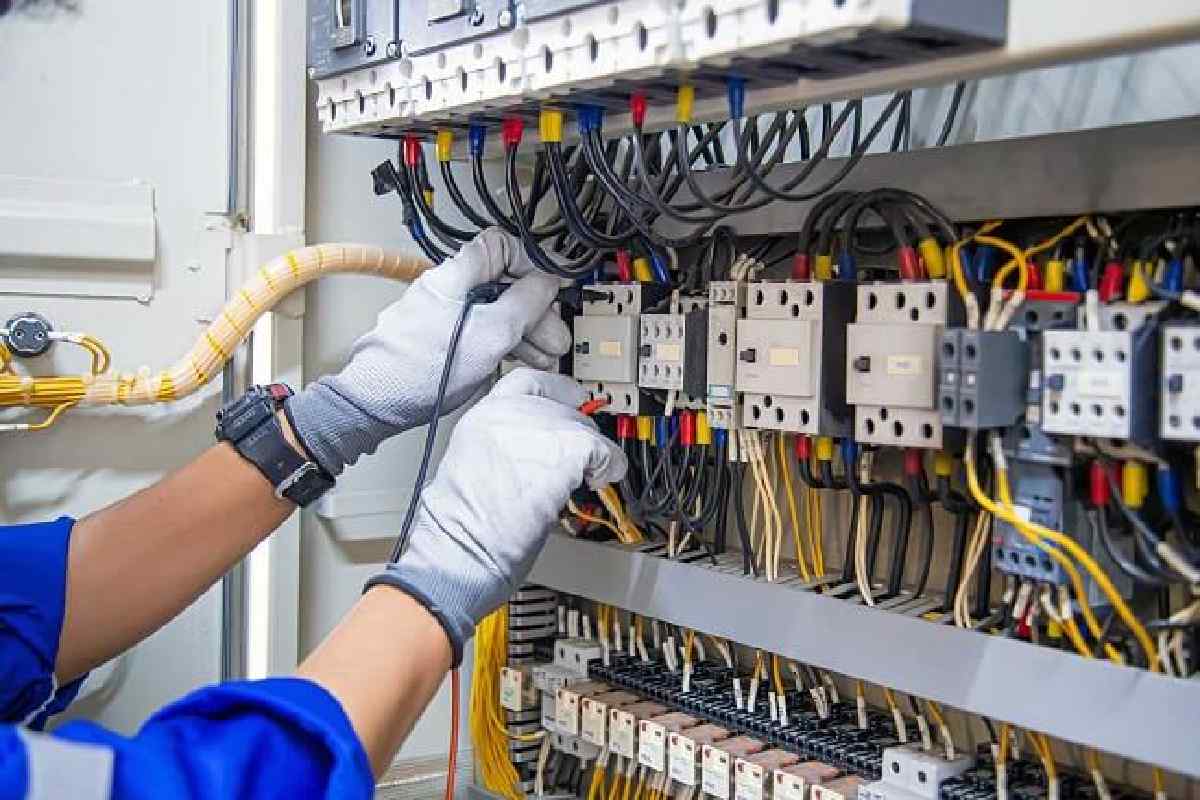
Electrical panel installation isn’t just about amperage—it’s about structure. Logical circuit grouping. Clear labeling. Room for future breakers.
Think about it like designing a highway system. Traffic flows better when lanes are planned thoughtfully from the start.
Future-Proofing (Or Regretting Later)
Here’s a question that separates good builds from great ones:
What will this building need in five years?
EV infrastructure? Expanded office space? Smart automation? Additional HVAC?
Leaving space in the panel for expansion costs very little during construction. Retrofitting a full panel later? That’s disruption, downtime, and budget headaches.
Oversizing slightly now is strategic. Undersizing is short-sighted.
And electrical systems don’t reward short-sightedness.
Component Quality: The Quiet Difference-Maker
Let’s talk about what’s inside the panel.
Breakers are the gatekeepers. They monitor current and trip when something goes wrong.
If they hesitate? That’s dangerous.
If they trip unnecessarily? That’s disruptive.
Sourcing dependable breakers from trusted suppliers like Verified Breakers ensures reliability under load and compliance with modern safety standards.
Cheap components look fine during installation. Problems surface later—when the system is stressed.
Quality doesn’t shout. It just works.
Code Compliance Is Not a Suggestion
Electrical codes exist for a reason.
Grounding. Bonding. Breaker sizing. Panel clearance. Weather protection. Labeling.
Miss one detail and inspections stall. Delays follow. Costs climb.
Working with licensed professionals who understand local and national code requirements ensures your electrical panel installation passes inspection the first time.
Nobody wants to reopen walls because of a compliance oversight.
Placement Matters More Than You Think
Where the panel goes isn’t random.
It needs:
- Adequate clearance
- Accessibility for maintenance
- Logical proximity to major systems
- Protection from environmental exposure
Cramped utility closets and awkward placements make future service difficult and potentially unsafe.
Good placement decisions today save maintenance frustration for decades.
Coordinate Early. Or Pay Later.
Electrical doesn’t operate in isolation.
HVAC runs ducts. Plumbing runs lines. Structural teams reinforce framing.
If panel placement isn’t coordinated early, conflicts arise. And moving a panel late in construction? That’s a domino effect of rework.
Early collaboration between trades keeps installation smooth and timelines intact.
Build Power Like You Build Structure
Electrical panel installation isn’t a finishing detail.
It’s infrastructure.
When load calculations are precise, panels are sized with vision, high-quality components—like those from Verified Breakers—are used, and code compliance is prioritized, the result is simple:
Reliable power.
Long-term safety.
Scalable performance.
No drama. No flickers. No emergency retrofits.
In new construction, the smartest investment isn’t the one you see when the lights turn on.
It’s the planning behind why they turn on at all.