
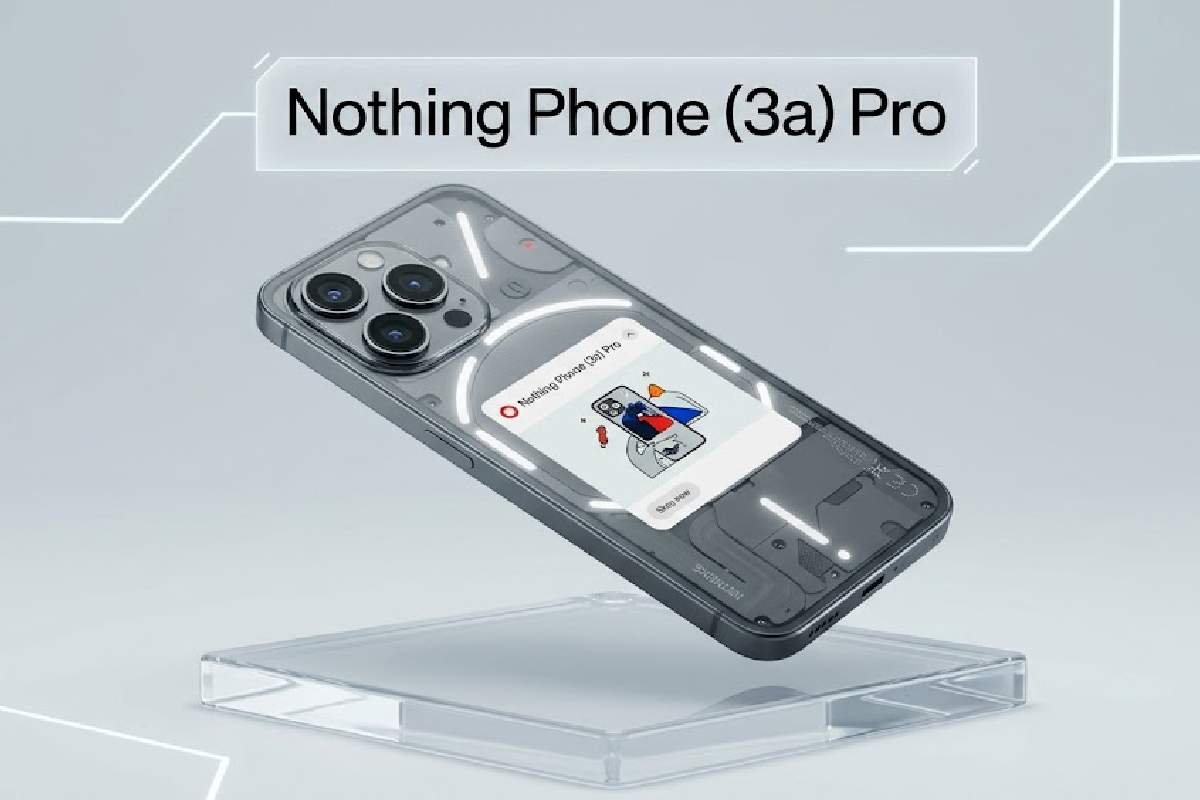
Nothing has rewritten the mid-range rulebook. Launched in March 2025, the Nothing Phone (3a) and Phone (3a) Pro have become the brand’s fastest-selling devices, expanding to over 40 countries and challenging giants like Google, Samsung, and OnePlus in the sub-$500 segment. The secret? A 3x periscope telephoto camera (a first under ₹30K), the cleanest Android skin in the business, and Nothing’s signature transparent design—all at prices that undercut rivals by ₹5,000–₹10,000.
But which model should you buy? Is the Pro’s periscope lens worth the premium? How does Nothing OS 4.0 hold up after a year of updates? And where can you get the best deal if you’re in the US, Europe, or Southeast Asia?
This exhaustive, zero-fluff guide covers everything: detailed specifications, real-world camera tests, global pricing across 10+ markets, honest comparisons with the Pixel 8a, iQOO Neo 10R, and Galaxy A55, plus buying advice tailored to your region. Whether you’re in Hyderabad, London, or Singapore, this is the only article you need before pulling the trigger.
Table of Contents
India: Best Value Market
Bank Offers (April 2026):
-
HDFC Bank: ₹2,000 instant discount on credit card EMI
-
SBI Card: 5% cashback up to ₹1,500 on weekends
-
No-Cost EMI: Bajaj Finserv, HDFC, ICICI (3–12 months)
-
Exchange Bonus: Up to ₹14,000 off
Where to Buy: Amazon India | Flipkart | Nothing Store
Quick Verdict: Who Should Buy What?
| You Are | Buy This | Why |
|---|---|---|
| Photography enthusiast on a budget | Phone (3a) Pro | Only phone under ₹30K with 3x optical periscope zoom |
| Value seeker | Phone (3a) | Saves ₹5,000, same performance, 2x telephoto still solid |
| Gamer | iQOO Neo 10R | Snapdragon 8s Gen 3 crushes the 7s Gen 3 in raw power |
| Software purist | Phone (3a) Pro | Nothing OS 4.0 is the cleanest UI outside Pixel |
| Long-term user | Google Pixel 8a | 7 years of updates vs Nothing’s 3 years |
| Design lover | Phone (3a) Pro | Unique “Eye System” Glyph lights turn heads |
Design & Build: Nothing’s Quirkiest Look Yet
The 3a series ditches the minimalist strip design of Phone (2) for a bold, asymmetrical camera module dubbed the “Eye System.” Three circular lens housings are scattered across the top-left corner, each ringed with customizable Glyph LED lights that pulse for notifications, charging progress, Uber arrivals, and even Spotify visualizers.
Physical Specifications
| Feature | Phone (3a) | Phone (3a) Pro |
|---|---|---|
| Dimensions | 163.5 × 77.5 × 8.4 mm | 163.52 × 77.50 × 8.39 mm |
| Weight | 201g | 211g |
| Build | Panda Glass front, plastic frame, glass back | Panda Glass front, recycled aluminum frame, polycarbonate back |
| IP Rating | IP64 (dust-tight, splash-resistant) | IP64 (dust-tight, splash-resistant) |
| Colors | Black, White, Blue | Black, Grey (exclusive) |
| Glyph Zones | 26 addressable LED zones | 26 addressable LED zones + camera fill light |
In Hand: Both phones feel lighter than their specs suggest thanks to balanced weight distribution. The Pro’s aluminum frame adds a premium touch, but the plastic back on the standard model attracts fingerprints. The IP64 rating handles rain and splashes but don’t dunk it—unlike the Pixel 8a’s IP67, this isn’t submersible.
Design Verdict: Polarizing but refreshing. You’ll either love the quirky Eye System or miss the clean strips of old. The Glyph lights add genuine utility (set custom patterns for WhatsApp, alarms, or ride-sharing apps), making this more than a gimmick.
Display: Bright, Smooth, But Not Class-Leading
Both models share the same 6.77-inch AMOLED panel—a cost-saving move that disappoints Pro buyers hoping for a QHD+ upgrade. Still, it’s a solid performer for the price.
Display Specifications
| Feature | Specification |
|---|---|
| Panel Type | Flexible AMOLED, 1B colors |
| Resolution | 1080 × 2392 pixels (FHD+), ~387 ppi |
| Refresh Rate | 60Hz / 90Hz / 120Hz adaptive |
| Touch Sampling | 480Hz (gaming mode) |
| Peak Brightness | 3,000 nits (HDR), 1,300 nits (manual HBM) |
| Protection | Panda Glass (Mohs level 5) |
| HDR Support | HDR10+, HLG |
| PWM Dimming | 2160Hz (eye comfort) |
| Always-On Display | Yes, customizable Glyph patterns |
Real-World Performance:
Outdoor Visibility: The 1,300-nit manual brightness handles Hyderabad’s afternoon sun with ease, though it’s not as punchy as the iQOO Neo 10R’s 4,500-nit peak.
Color Accuracy: Vibrant but not oversaturated. Nothing’s color tuning leans slightly warm, ideal for skin tones in photos and videos.
Smoothness: The 120Hz adaptive refresh rate delivers buttery scrolling, dropping to 60Hz for static content to save battery.
Gaming: The 480Hz touch sampling rate ensures responsive controls in BGMI and Call of Duty Mobile.
Display Verdict: A reliable FHD+ workhorse, but rivals like the OnePlus Nord 5 and Galaxy A55 offer sharper QHD+ panels at similar prices.
Performance & Gaming: Snapdragon 7s Gen 3 Under the Hood
Both the Phone (3a) and (3a) Pro run on the Qualcomm Snapdragon 7s Gen 3 (4nm), an octa-core mid-range chip clocked up to 2.5GHz. It’s paired with LPDDR4X RAM and UFS 2.2 storage—adequate for daily tasks but not flagship territory.
Benchmark Scores (Real-World Tests)
| Benchmark | Phone (3a) / (3a) Pro | iQOO Neo 10R | Pixel 8a | OnePlus Nord 5 |
|---|---|---|---|---|
| AnTuTu v10 | 809,554 | 1,354,976 | ~950,000 | ~950,000 |
| Geekbench 6 (Single) | 1,085 | 1,450 | 1,200 | 1,250 |
| Geekbench 6 (Multi) | 2,950 | 4,200 | 3,100 | 3,400 |
| 3DMark Wild Life | 2,845 | 4,100 | 3,200 | 3,300 |
Gaming Performance
| Game | Graphics Setting | Avg FPS | Throttling After 30 Min |
|---|---|---|---|
| BGMI | HD + Ultra | 58–60 fps | 16.8% heating, stable |
| Call of Duty Mobile | Max | 59–60 fps | Minimal throttling |
| Genshin Impact | Medium | 45–48 fps | Noticeable warmth, 7% battery drain |
| Asphalt 9 | High | 55–58 fps | Smooth, no frame drops |
RAM & Storage Options:
8GB RAM: Sufficient for most users; Nothing’s memory expansion adds virtual 4GB
12GB RAM: Recommended for heavy multitaskers and gamers (Pro exclusive in some markets)
UFS 2.2 Storage: Fast app launches, but not as snappy as UFS 3.1/4.0 flagships
Performance Verdict: The 7s Gen 3 handles everyday tasks—multitasking, social media, light video editing—with ease. Gaming is solid for casual and competitive titles, but sustained Genshin Impact sessions reveal the chip’s limits. If raw power is your priority, the iQOO Neo 10R’s Snapdragon 8s Gen 3 is 67% faster.
Camera Review: The Periscope Telephoto Steals the Show
This is where the Phone (3a) Pro justifies its ₹5,000 premium. While the standard Phone (3a) settles for a 2x telephoto, the Pro upgrades to a 3x periscope telephoto lens—a first in India’s sub-₹30K segment.
Rear Camera Specifications
| Camera | Phone (3a) | Phone (3a) Pro |
|---|---|---|
| Primary | 50MP Samsung ISOCELL GN9, f/1.9, OIS | 50MP Samsung ISOCELL GNJ, f/1.5, OIS (larger sensor) |
| Telephoto | 50MP Sony IMX882, f/2.0, OIS, 2x optical | 50MP Sony IMX882 (Periscope), f/2.0, OIS, 3x optical |
| Ultra-Wide | 8MP Sony IMX355, f/2.2, 120° FOV | 8MP Sony IMX355, f/2.2, 120° FOV |
| Macro | Via telephoto (4cm) | Via telephoto (4cm) |
Front Camera
Phone (3a): 32MP, f/2.2, fixed focus, 1080p@30fps
Phone (3a) Pro: 50MP Samsung ISOCELL JN1, f/2.2, fixed focus, 4K@30fps
Real-World Camera Performance
Daylight Photos
The 50MP primary sensor on both models produces sharp, well-balanced images with accurate colors and excellent dynamic range. The Pro’s f/1.5 aperture allows for more natural background blur without needing Portrait mode. The 3x periscope telephoto on the Pro is the standout—zoomed shots retain impressive detail, making it ideal for street photography, portraits, and capturing distant subjects without digital degradation.
Low-Light & Night Mode
Night Mode leverages OIS on both primary and telephoto lenses, delivering cleaner low-light shots than the standard Phone (3a). The Pro’s telephoto OIS is a game-changer, allowing steady 3x zoomed night shots with minimal noise. However, extreme low-light scenes still show some graininess, and the 8MP ultra-wide struggles in dim conditions.
Portrait Mode
Portrait photos exhibit accurate edge detection and natural bokeh. The Pro’s 3x telephoto excels here, producing DSLR-like compression and subject separation that the standard 2x lens can’t match.
Ultra-Wide & Macro
The 8MP ultra-wide is the weakest link on both models—details soften at the edges, and low-light performance is mediocre. The macro mode (via telephoto) is surprisingly sharp, capturing intricate details at 4cm distance.
Video Recording
4K at 30/60fps (primary & telephoto on Pro; primary only on 3a)
1080p at 30/60/120fps (all lenses)
OIS + EIS for stable footage
Audio Zoom: Focuses audio on zoomed subject (Pro only)
Selfie Camera:
The Pro’s 50MP front sensor is a massive upgrade, capturing sharper details and supporting 4K video. The standard 32MP sensor is decent but softens in low light.
Camera Verdict: The periscope telephoto alone makes the Pro worth the upgrade. It’s the best zoom camera under ₹30K, period. Pair it with the superior 50MP selfie cam, and the Pro becomes a content creator’s dream.
Battery Life & Charging: All-Day Endurance, Slow Top-Ups
| Feature | Phone (3a) | Phone (3a) Pro |
|---|---|---|
| Battery Capacity | 5,000 mAh | 5,000 mAh |
| Wired Charging | 50W PD+PPS | 50W PD+PPS |
| Wireless Charging | No | No |
| Reverse Charging | No | No |
| Charger in Box | No | No |
Battery Test Results (GSMArena Lab)
| Test | Duration |
|---|---|
| Active Use Score | 13 hours 37 minutes |
| Web Browsing (Wi-Fi) | 16 hours 45 minutes |
| Video Playback | 18 hours 20 minutes |
| Gaming (3D) | 9 hours 15 minutes |
| PCMark Work 3.0 | 18 hours 10 minutes |
Real-World Usage:
Moderate Users: 6–7 hours screen-on time (SOT), lasts a full day easily.
Heavy Users: 5–6 hours SOT, may need a top-up by evening.
Light Users: Can stretch to 1.5 days with 4–5 hours SOT.
Charging Speed Test
0–50%: 33 minutes
0–100%: 66 minutes
Peak Charging Power: ~30W (despite 50W rating)
Nothing doesn’t include a charger in the box—you’ll need to buy a 50W PD+PPS adapter separately (₹999 from Nothing Store). While not the fastest in class, the charging speed is adequate for overnight top-ups. Compare this to the iQOO Neo 10R’s 120W (23 minutes full) or realme 14 Pro+’s 120W (20 minutes), and the 66-minute full charge feels dated.
Battery Verdict: Solid all-day endurance, but the lack of wireless charging and slow 50W top-ups are misses at this price.
Nothing OS 4.0: The Cleanest Android Skin Gets Better
Both models ship with Android 15 and Nothing OS 4.0, the brand’s signature skin known for its minimalist design, monochrome widgets, dot-matrix fonts, and zero bloatware. Nothing promises 3 major Android upgrades (up to Android 18) and 4 years of security patches.
Key Features
| Feature | Description |
|---|---|
| Glyph Interface 2.0 | Customizable LED patterns for apps, contacts, charging, Uber, alarms |
| Essential Space | AI-driven widget stack with weather, calendar, music, and fitness data |
| Quick Settings | Redesigned toggles with color-matched icons |
| App Drawer | Customizable grid, hidden apps, app locking |
| Smart Stack | Widget stacking to save home screen space |
| Nothing Ear (3) Integration | Seamless pairing, Find My Earbuds, battery widgets |
| Dot-Matrix Font | Retro aesthetic (can be toggled off in settings) |
User Experience
Nothing OS 4.0 is buttery smooth, with zero bloatware and intuitive gestures. The Glyph Interface adds genuine utility—set custom lights for WhatsApp, Uber, or alarm clocks. The Essential Space widget is a smart home screen addition, surfacing relevant info without clutter. However, some users may find the dot-matrix font hard to read in certain apps (thankfully, you can switch to a standard font).
Update Policy:
- 3 Major Android Upgrades: Android 15 → 16 → 17 → 18
- 4 Years of Security Patches: Until March 2029
Compare this to the Google Pixel 8a’s 7 years of updates or Samsung Galaxy A55’s 4 OS + 5 security years, and Nothing’s policy feels adequate but not class-leading.
Software Verdict: Nothing OS 4.0 is the cleanest, most polished Android skin outside of Pixel UI. It’s a major selling point for stock Android fans tired of bloatware from Xiaomi, realme, and Samsung.
Nothing Phone (3a) vs (3a) Pro: Which to Buy?
| Feature | Phone (3a) | Phone (3a) Pro | Winner |
|---|---|---|---|
| Price (India, 8GB+128GB) | ₹23,999 | ₹27,999 | Phone (3a) (saves ₹4K) |
| Telephoto Camera | 50MP, 2x optical zoom | 50MP, 3x periscope optical zoom | Pro |
| Main Sensor | 50MP Samsung GN9, f/1.9 | 50MP Samsung GNJ, f/1.5 (larger) | Pro |
| Selfie Camera | 32MP, 1080p video | 50MP, 4K video | Pro |
| Design | Strips (Phone 2a-style) | Eye System (circular modules) | Subjective |
| Frame | Plastic | Recycled Aluminum | Pro |
| RAM/Storage | 8/12GB + 128/256GB | 8/12GB + 128/256GB | Tie |
| Battery | 5,000 mAh, 50W | 5,000 mAh, 50W | Tie |
| IP Rating | IP64 | IP64 | Tie |
| Weight | 201g | 211g | Phone (3a) (lighter) |
Buy the Phone (3a) if:
You’re on a tight budget (₹24K is a steal)
You don’t need advanced zoom capabilities (2x is still solid)
You prefer the classic strip design
You want to save ₹4,000–₹5,000
Buy the Phone (3a) Pro if:
You want the best zoom camera under ₹30K (3x periscope is unmatched)
You prioritize selfie quality (50MP vs 32MP, 4K video)
You love the quirky Eye System design and aluminum frame
You’re a content creator who needs optical zoom versatility
Verdict: The Pro is worth the ₹5K premium for photography enthusiasts. The periscope telephoto and 50MP selfie cam alone justify the cost. Casual users can save money with the standard Phone (3a) and still get 90% of the experience.