
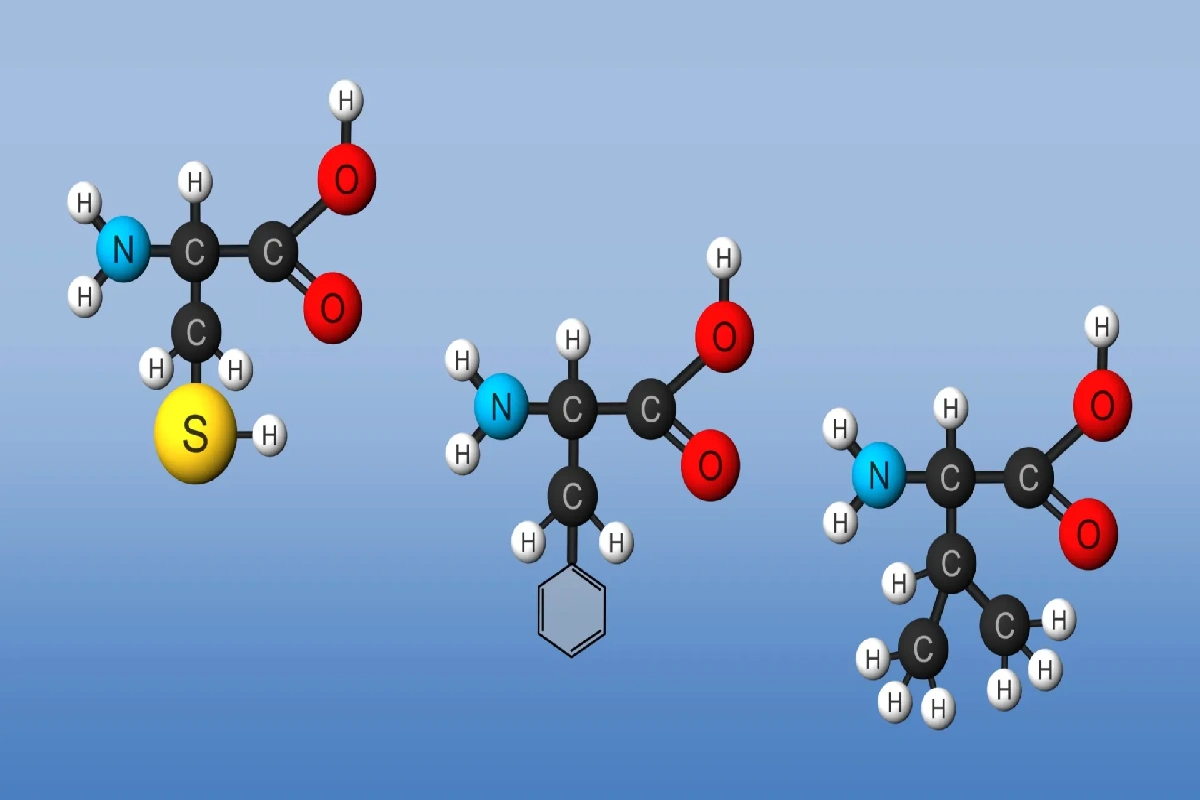
Recovery is often treated as a passive process, something that happens after rest, hydration, or nutrition. In reality, it is an active biochemical phase where the body reorganizes resources, repairs damage, and adapts to stress. At the center of this process are amino acid conversion pathways, which determine how raw nutrients are transformed into functional molecules that support cellular repair and long-term adaptation.
When these pathways operate efficiently, recovery feels smooth, energy returns quickly, and physical or cognitive stress leaves minimal lingering effects. When they are inefficient, even adequate rest and nutrition may not prevent fatigue, soreness, or prolonged mental exhaustion.
Understanding how amino acids are converted within the body provides a clearer picture of why recovery varies so widely between individuals.
Table of Contents
How Amino Acid Conversion Actually Works in the Body
Amino acids are not used in their raw form for most biological functions. Instead, they are converted through enzymatic pathways into intermediate compounds that participate in energy production, neurotransmitter synthesis, tissue repair, and metabolic regulation.
This conversion process happens primarily in the liver, muscle tissue, and mitochondria-rich cells. Enzymes modify amino acids through processes such as transamination, deamination, and decarboxylation, transforming them into compounds that can be integrated into broader metabolic systems.
For example, certain amino acids are converted into Krebs cycle intermediates that directly support ATP production. Others become precursors for neurotransmitters that regulate mood, focus, and stress response.
This means recovery is not just about supplying amino acids, but about how effectively the body can convert and distribute them into usable forms.
The Link Between Conversion Efficiency and Recovery Speed
Recovery speed depends heavily on how efficiently amino acid conversion pathways function. When these pathways are optimized, damaged proteins are quickly replaced, energy stores are replenished, and inflammatory responses are resolved more efficiently.
One key factor is enzymatic activity. If enzymes responsible for amino acid conversion are underactive due to nutrient deficiencies, oxidative stress, or metabolic strain, the entire recovery process slows down.
Mitochondrial efficiency also plays a major role. Many amino acid derivatives feed directly into mitochondrial energy production pathways. If mitochondrial function is impaired, conversion products are not utilized effectively, leading to slower recovery and persistent fatigue.
Hormonal signaling is another influence. Stress hormones can redirect amino acid usage toward survival pathways rather than repair and adaptation, delaying full recovery.
Common Pain Points in Recovery and Adaptation
Many people experience recovery issues without realizing that amino acid conversion pathways are a limiting factor.
One common issue is delayed muscle recovery after physical activity. Even with adequate protein intake, soreness persists longer than expected because amino acids are not being efficiently converted into repair structures.
Another frequent problem is mental fatigue that lingers after cognitive exertion. This often reflects inefficient conversion into neurotransmitter precursors and energy substrates.
There is also the issue of adaptation plateaus. Individuals may initially respond well to training or supplementation, but progress slows over time as conversion efficiency becomes a limiting factor rather than nutrient availability.
A further frustration is inconsistent recovery quality. Some days feel fully restored while others feel drained, even under similar conditions. This variability often reflects fluctuations in metabolic conversion efficiency and stress load.
Key Amino Acid Conversion Pathways Involved in Recovery
Several metabolic pathways are particularly important for recovery and cellular adaptation.
One major pathway involves branched-chain amino acid metabolism. These amino acids are heavily involved in muscle repair and can be converted into energy substrates during periods of high demand. Their conversion supports both structural rebuilding and energy production.
Another important system is the glutamine-glutamate cycle. This pathway plays a central role in nitrogen transport, immune function, and cellular energy balance. It is especially active during recovery from physical or metabolic stress.
The alanine cycle is also significant, linking muscle metabolism with liver glucose production. This helps maintain energy balance during recovery periods when nutrient demand is high.
Additionally, tryptophan and tyrosine conversion pathways are critical for neurotransmitter synthesis, influencing mental recovery, mood stabilization, and stress resilience.
Together, these pathways form an interconnected system that determines how effectively the body transitions from stress to repair.
Why Conversion Pathways Break Down Under Stress
A major issue in modern wellness is that chronic stress disrupts amino acid conversion efficiency. When the body is under sustained stress, metabolic priorities shift away from repair and toward immediate survival.
Oxidative stress can damage enzymes involved in amino acid metabolism, reducing their effectiveness. This slows down conversion rates and leads to accumulation of unmetabolized intermediates.
Inflammation also plays a role by altering signaling pathways that regulate nutrient distribution. Inflammatory states often prioritize immune activity over tissue repair, diverting amino acids away from recovery pathways.
Nutrient cofactor deficiencies, such as low levels of B vitamins or magnesium, further impair enzymatic conversion efficiency.
Over time, these disruptions create a bottleneck where amino acids are present but not effectively utilized.
Strategies to Support Amino Acid Conversion Efficiency
Improving recovery outcomes requires supporting the entire conversion system, not just increasing protein intake.
One foundational strategy is maintaining adequate micronutrient availability. Many amino acid conversion enzymes depend on vitamin B6, B12, folate, and minerals like magnesium and zinc.
Metabolic stress reduction is also critical. Sleep quality, stress management, and controlled training intensity help prevent enzyme downregulation and preserve conversion efficiency.
Exercise itself, when properly dosed, enhances enzyme activity and improves mitochondrial function, leading to more efficient amino acid utilization during recovery phases.
Balanced nutrition timing can also improve outcomes. Providing amino acids when the body is most receptive, such as post-exercise or during recovery windows, can improve conversion efficiency.
From a research perspective, modified amino acids and peptide derivatives are being studied for their ability to bypass inefficient steps in these pathways or enhance conversion stability under stress conditions.
Research Applications and the Role of Peptide Science
In biochemical research, amino acid conversion pathways are a key focus for understanding recovery dynamics and metabolic adaptation. Scientists are studying how different amino acid structures influence enzymatic efficiency, mitochondrial integration, and metabolic signaling.
Peptides and amino acid derivatives are particularly important in this context because they can provide more targeted insights into how conversion pathways behave under different physiological conditions.
Biohack Labs contributes to this field by supplying highly purified peptides, proteins, and amino acid derivatives designed for controlled scientific research. Their focus on purity and synthesis precision allows researchers to observe conversion behaviors without variability introduced by inconsistent raw materials.
As research continues, amino acid conversion pathways may become a central framework for understanding individualized recovery capacity and metabolic adaptation.
The Future of Recovery Science
Recovery science is shifting from generalized nutrition models toward pathway-specific optimization. Instead of focusing solely on protein intake, researchers are increasingly interested in how amino acids are processed, converted, and utilized at the cellular level.
Future developments may include personalized metabolic profiling to identify conversion inefficiencies and targeted interventions to correct them.
There is also growing interest in how peptide-based systems and amino acid derivatives can enhance specific conversion steps, improving recovery speed and adaptive capacity.
As these insights evolve, recovery will increasingly be understood as a dynamic biochemical process shaped by enzyme activity, mitochondrial efficiency, and molecular conversion pathways.
FAQ
What are amino acid conversion pathways?
They are metabolic processes that transform amino acids into usable compounds for energy, repair, and neurotransmitter synthesis.
Why are they important for recovery?
Because recovery depends on converting nutrients into functional molecules that rebuild tissues and restore energy.
What slows down amino acid conversion?
Stress, inflammation, enzyme deficiencies, poor sleep, and micronutrient imbalances can all reduce conversion efficiency.
Can increasing protein intake improve recovery automatically?
Not always, because conversion efficiency determines how well amino acids are actually used.
Do amino acid pathways affect mental recovery too?
Yes, they influence neurotransmitter production, which plays a major role in cognitive recovery and mood stability.